If you have landed here, you have probably seen the phrase “biological dentistry”, maybe from a friend, maybe in a late-night search after a dental visit left you with more questions than answers, and wondered whether it is something real or just wellness branding. It is a fair question, and it deserves a straight answer.
The short version: biological dentistry is ordinary, licensed dentistry practiced with one extra commitment, the understanding that your mouth is part of your body, not a separate system to be managed in isolation. Almost everything else about the approach follows from that one idea.
What biological dentistry actually is
A biological dentist, also called a holistic dentist, attends the same dental schools, holds the same license, and does the same core work (fillings, crowns, implants, cleanings, extractions) as any other dentist. What sets the approach apart is a set of priorities: biocompatible, metal-free materials wherever it makes sense; conservative techniques that preserve as much of your natural tooth as possible; careful diagnosis before treatment; and real attention to how oral health connects to the rest of your wellbeing.
In other words, it is less a different profession than a different philosophy for practicing the same one.
What it is not
It is not unlicensed or “alternative” care. A biological dentist is a fully licensed dentist doing real, regulated dentistry, not a substitute for it.
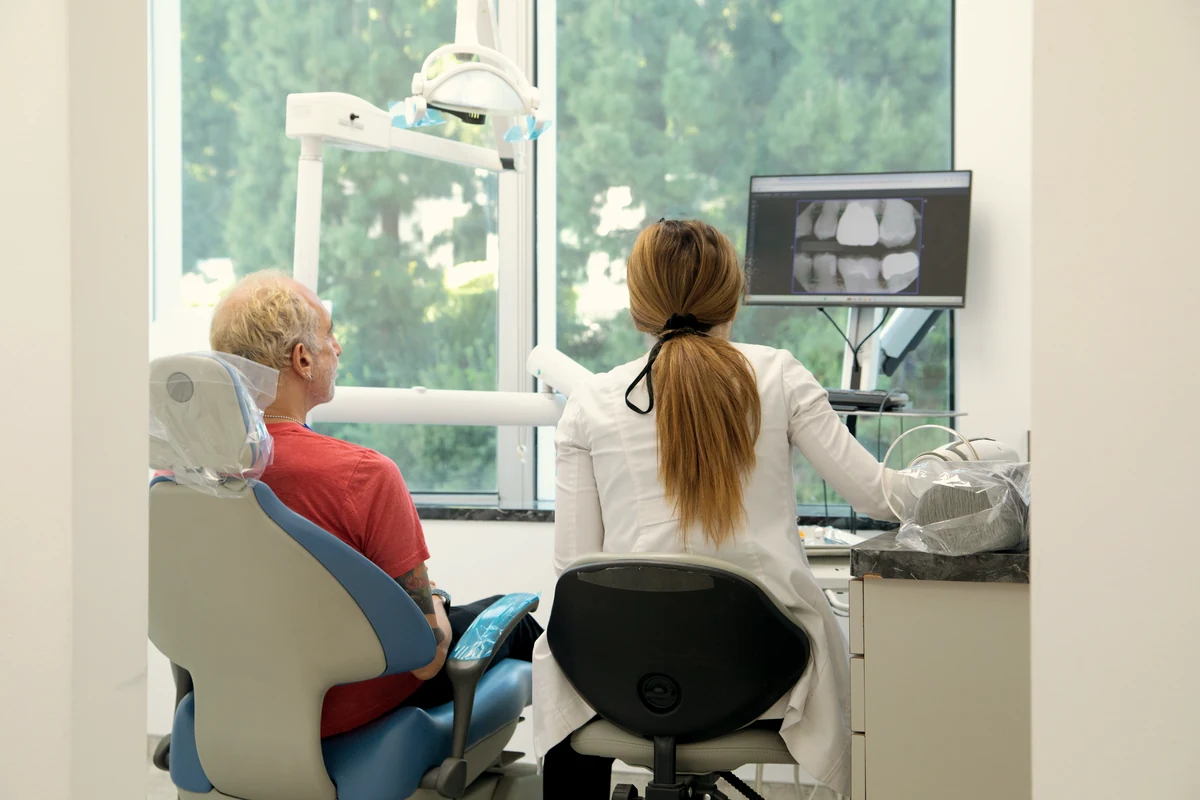
It is not anti-science. A good biological dentist reaches toward evidence, not away from it, and uses modern tools like 3D imaging to make better decisions.
It is not a promise to cure the rest of your body through your teeth. Any dentist who guarantees that is overreaching, and we would rather be honest than dramatic.
The ideas that guide it
The mouth is connected to the body. What happens at the gum line or in the oral microbiome does not necessarily stay in the mouth. (We wrote more about that in this piece on the mouth-body connection.)
Materials matter. We favor metal-free, biocompatible restorations and are thoughtful about what we place in your body for the long term.
Conservative is better. Preserving your natural tooth structure almost always beats replacing it, so we lean minimally invasive.
Diagnose before you treat. Careful imaging and testing come first, for example, checking whether a tooth genuinely needs a root canal before that decision is made.
You get to choose. Our job is to explain your options honestly and let you decide. No pressure, no scare tactics.
What it looks like in the chair
In practice, the philosophy turns into specifics you can point to: safe amalgam (mercury) removal using the SMART protocol; ozone therapy as a gentle, antibiotic-free way to reduce bacteria; ceramic (zirconia) implants for people who prefer to stay metal-free; digital 3D imaging to make conservative calls; and hygiene that considers the oral microbiome rather than trying to scrub the mouth sterile.
A word on the evidence
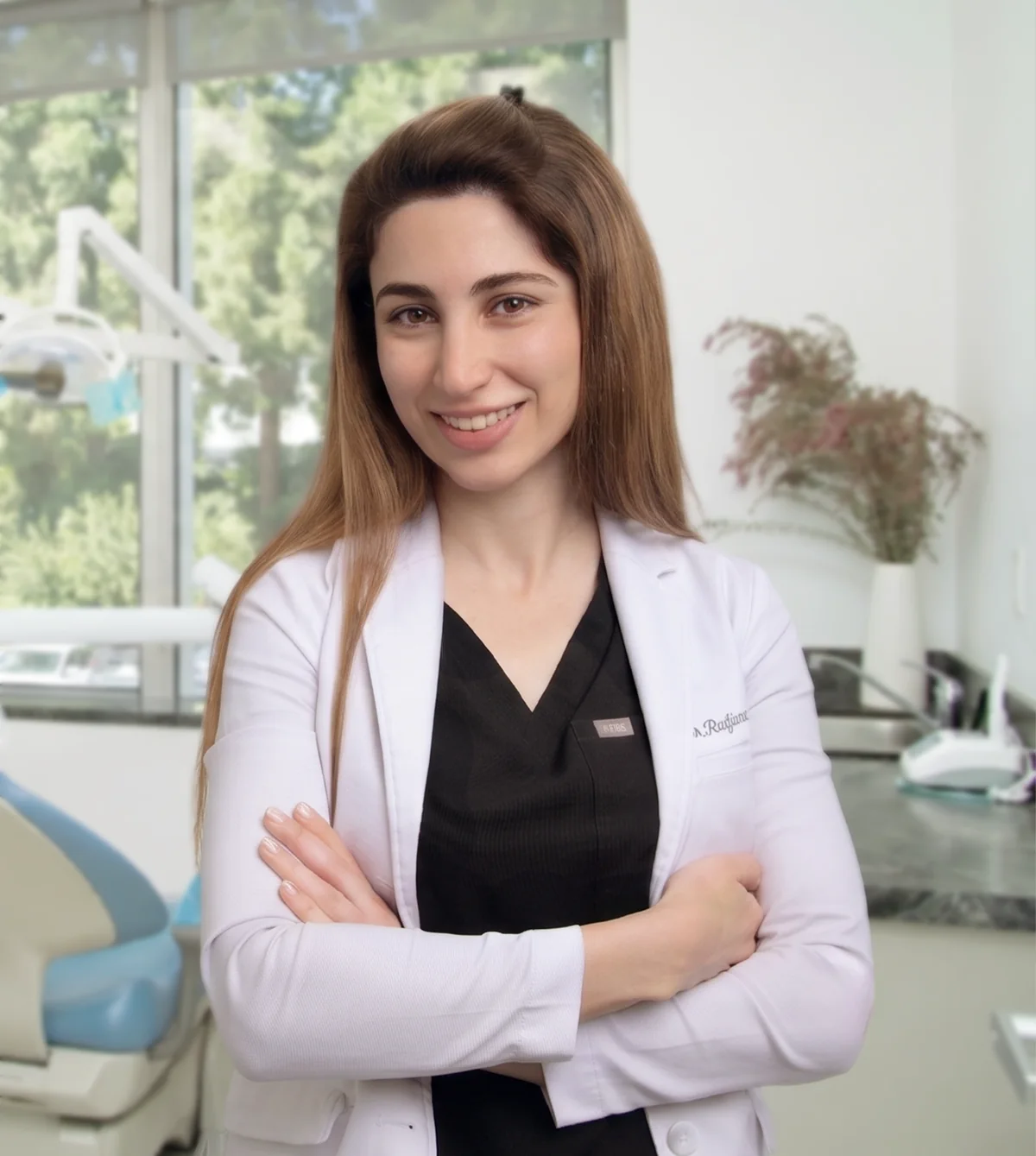
Some of this is well established and uncontroversial, biocompatible materials, minimally invasive technique, careful imaging. Other areas are still emerging, and honest practitioners say so. The mouth-body connection, for instance, is supported by a growing body of research, but much of it describes associations rather than settled cause and effect. Good biological dentistry lives in that honest middle: taking the direction of the evidence seriously without overselling it. As Dr. Rajinia puts it, this is not fear-based. It is awareness.
Is it right for you?
If you want a dentist who explains the why, prefers to preserve your natural teeth, uses metal-free materials where it makes sense, and treats you as a whole person rather than a set of teeth, biological dentistry will likely feel like a good fit. If you simply want fast conventional care and are not interested in the philosophy, that is completely valid too. The point is not to convince you of anything; it is to give you enough to make an informed choice. If you still have questions, our FAQ answers the ones we hear most.
That, more than any single technique, is what biological dentistry is really about: fewer assumptions, more explanation, and care that respects the fact that your mouth was never separate from the rest of you.
This article is for general educational purposes and reflects Dr. Rajinia’s professional perspective. It is not a diagnosis or a treatment recommendation for any individual. For concerns about your oral or overall health, consult your own licensed dental or medical provider.