
For most of the last seventy years, fluoride in tap water was treated as settled science, one of those public health decisions you weren't really supposed to question. Then, in 2025, two states banned it. When something that established suddenly shifts, my instinct isn't to panic or to celebrate. It's to get curious and look at what actually changed.
If you live in Los Angeles, your water still contains fluoride. But the national conversation has changed, patients are asking me about it every week, and a lot of what's being shared online is louder than it is accurate. So let's slow it down and look at this the way I'd want to look at any decision about my own body: with the full picture, not the headline.
What actually happened
In March 2025, Utah became the first state in the country to prohibit fluoride in its public water systems, a law that took effect on May 7. Florida followed soon after, with Senate Bill 700 taking effect July 1, a change expected to touch roughly 15 million residents. Other states have introduced similar bills, and at the federal level the FDA has moved to review fluoride supplement drops that have been prescribed for children for decades.
This didn't come out of nowhere. In 2024, a federal court directed the EPA to act on fluoride after reviewing research, including a National Toxicology Program assessment, suggesting that fluoride exposure at higher levels may be associated with lower IQ scores in children. That's a serious finding and it deserves to be taken seriously. It's also where nuance starts to matter enormously.
Two things can be true at once
Here's the part that gets lost in the noise: fluoride genuinely helps prevent cavities, and it's reasonable to ask whether we need to swallow it. Both of those can be true.
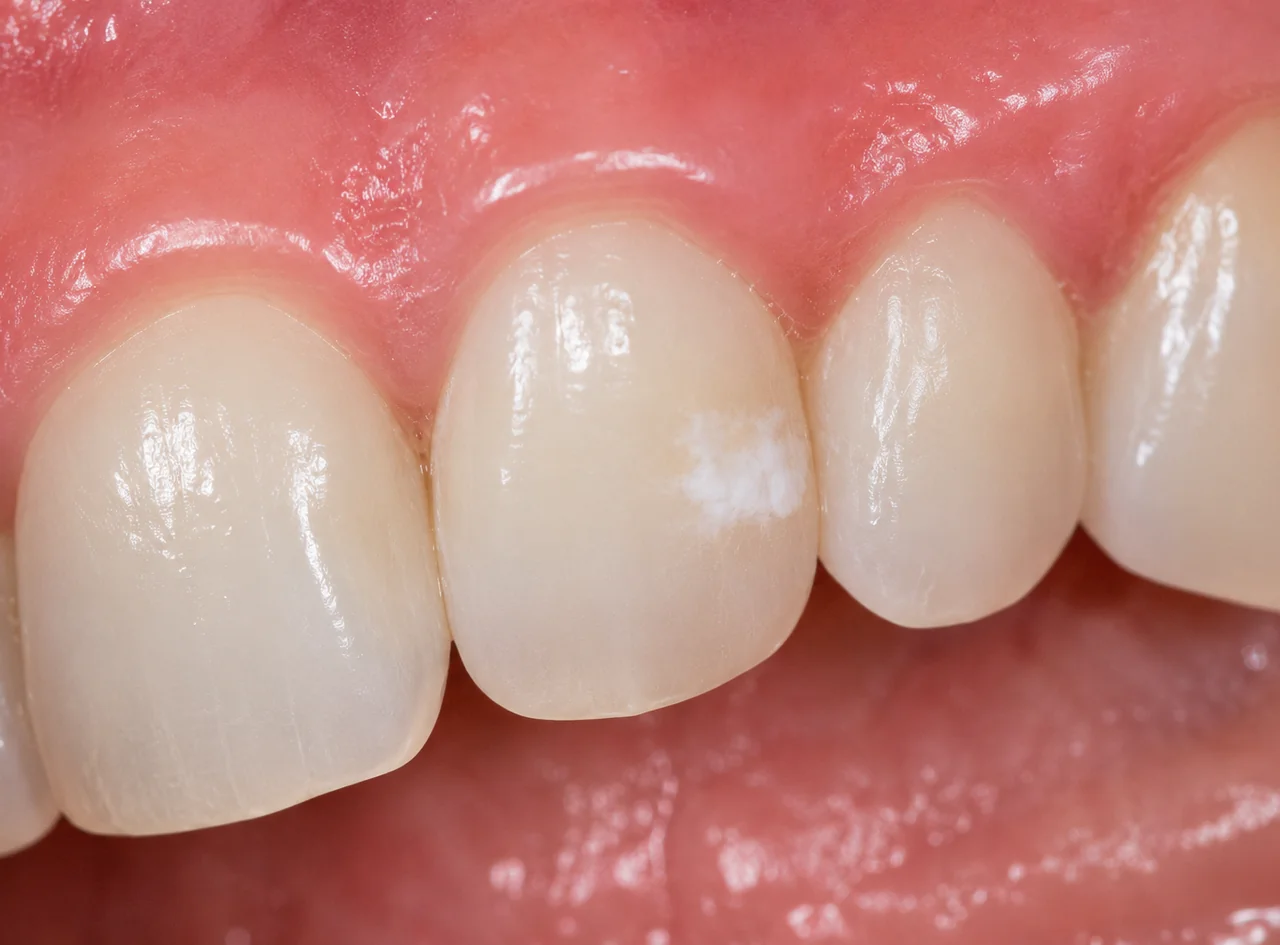
The strongest evidence for fluoride's benefit is topical. It works on contact, strengthening the enamel surface when it touches your teeth, the way it does from toothpaste or a professional treatment. The original logic behind putting it in water was systemic: that ingesting it as your teeth formed would build cavity resistance from the inside. Our understanding has shifted over the years toward the topical mechanism doing most of the work.
And the IQ research that's driving the policy changes? Much of it looked at fluoride exposure at levels higher than what's used in U.S. Community water. That doesn't make the concern meaningless, dose and individual variation are exactly the right things to examine, but it does mean "fluoride lowers IQ" is not an honest summary of the science. The more honest version is: at high enough exposure, there may be a real effect, and reasonable people are now asking where the safe line sits for the individual.
How I think about it as a biological dentist
People sometimes assume a holistic dentist must be reflexively anti-fluoride. I'm not. I'm anti-one-size-fits-all. Fluoride is a tool, and like any tool, the right question isn't "good or bad?" but "right dose, right person, right delivery?"
A teenager with deep grooves and a high cavity rate is a very different case from an adult with healthy enamel, a clean diet, and not a single new cavity in a decade. Treating them as identical, giving both the same systemic exposure whether they need it or not, is the part of conventional thinking I want to question. Topical fluoride applied precisely, in the office, for someone who actually benefits, is a different conversation than blanket exposure for everyone through the water supply, every day, for life.
What I care about most is something the headlines rarely mention: your total exposure. Most people never add it up. Fluoridated water, fluoride toothpaste, prescription drops, certain teas and processed foods. It accumulates. Knowing your real cavity risk and your real cumulative dose is what lets you make a conscious decision instead of an anxious one.
What this means for you
A calmer way to approach it
You don't need to pick a side in a culture war to take care of your teeth. You need to understand your own risk and your own exposure, and then choose deliberately.
A few things I'd suggest thinking through, ideally with a dentist who will actually have the conversation:
- Know your real cavity risk. Your history, your saliva, your diet, and your enamel matter more than any general rule. Low-risk and high-risk patients deserve different plans.
- Add up your total fluoride exposure. Water, toothpaste, supplements, and diet together, not any single source in isolation.
- Know the alternatives. Hydroxyapatite toothpaste, attention to oral pH and diet, supporting healthy saliva, and professional remineralization through biological hygiene are options some patients explore. They aren't magic, but they're worth understanding.
- Don't rip anything out in a panic. Reacting to a headline is rarely how good health decisions get made. Information first, then choices.
The fluoride conversation isn't really about fluoride. It's about whether we're willing to ask better questions about the things we've always done by default, and whether your care is built around the population or around you. That second version is the whole reason biological dentistry exists.
This isn't fear-based. It's awareness. Always learning. Always questioning. Always exploring.